
Should You Learn to Code in 2026 or Master AI Tools?
AI will undoubtedly transform the tech workforce in 2026 and beyond. Yet, the narrative that AI will simply “take all the jobs” oversimplifies a more complex reality.
AIPROGRAMMINGTECH NEWS
Obaydur Rahman Mahin
12/30/20252 min read
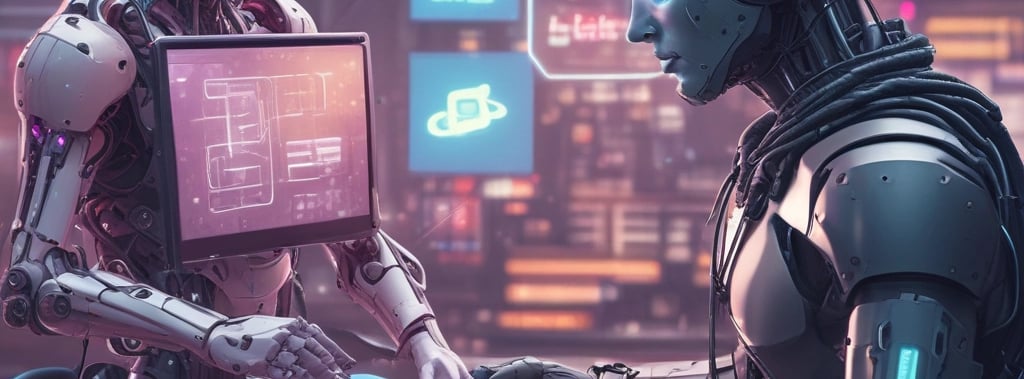

Should You Learn to Code in 2026 or Master AI Tools? As artificial intelligence rapidly reshapes the global workforce, especially in technology, a pressing question dominates the minds of students, career switchers, and professionals alike: in 2026, is it still worth learning to code, or is it smarter to focus on mastering AI tools such as Cursor, Replit, and Lovable? The fear that “AI will take people’s jobs” is not unfounded AI systems can already write code, debug software, and build applications faster than many humans but the deeper reality is more complex and far less binary. Coding itself is not disappearing; rather, its role is evolving. Traditional, line-by-line coding is becoming less central, while higher-level skills such as system design, problem framing, logic, and decision-making are becoming more valuable. AI tools act as force multipliers: they accelerate development, reduce repetitive work, and lower the barrier to entry, but they still depend on human intent, judgment, and understanding. Someone who knows how software works can guide AI effectively, catch errors, and build reliable systems, while someone who relies solely on AI without foundational knowledge risks becoming replaceable. In 2026, the most resilient professionals will not choose between coding and AI they will combine both. Learning to code builds mental models for problem-solving and structured thinking, while learning AI tools teaches speed, leverage, and modern workflows. Employers are increasingly looking for people who can collaborate with AI, not compete against it, and who understand when to trust automation and when to intervene. The future does not belong to those who reject coding nor to those who ignore AI, but to those who adapt who treat AI as a collaborator and coding as a thinking skill rather than a mechanical task. In that sense, the real skill to learn for 2026 is not just code or tools, but the ability to continuously learn, unlearn, and evolve alongside intelligent machines.
AI will undoubtedly transform the tech workforce in 2026 and beyond. Yet, the narrative that AI will simply “take all the jobs” oversimplifies a more complex reality. While certain routine coding tasks may be automated, the need for human insight, oversight, and innovation is likely to grow.
For students and career changers, this means both coding and AI literacy matter. Those who blend strong foundational knowledge with the ability to harness AI tools will be at a distinct advantage in the coming decade. Embracing this hybrid approach can help professionals not only preserve relevance but also thrive in an AI-augmented world.